
Most tires should be rotated about every 5,000 to 8,000 miles, although the recommended interval can vary depending on your vehicle, tire type, and manufacturer’s recommendations. Regular tire rotations help promote even tread wear, which can extend tire life and help your vehicle maintain proper handling and traction. Checking your owner’s manual is the best way to determine the recommended rotation schedule for your specific vehicle.
Why Do Tires Need to Be Rotated?
Your tires don’t all experience the same amount of wear. The front and rear tires can wear differently depending on your vehicle’s drivetrain, weight distribution, and steering system.
For example, on many front-wheel-drive vehicles, the front tires handle steering, acceleration, and much of the braking. This can cause them to wear faster than the rear tires.
Rotating the tires allows their positions to be changed according to an appropriate rotation pattern. This helps distribute wear more evenly across the set instead of allowing certain tires to wear significantly faster than others.
What Happens If You Don’t Rotate Your Tires?
Skipping tire rotations can lead to uneven tread wear and may shorten the usable life of your tires. One pair of tires may become significantly more worn than the other, requiring you to replace tires sooner than expected.
Unevenly worn tires can also affect your vehicle’s handling and ride quality. You may notice vibrations, increased road noise, or a less comfortable driving experience.
Regular rotations are a relatively simple maintenance service that can help you get more mileage from your tires and avoid unnecessary wear.
How Do You Know Your Tires Need to Be Rotated?
Following a regular mileage-based schedule is generally better than waiting for obvious symptoms. However, certain signs can indicate that your tires aren’t wearing evenly.
Look for differences in tread depth between your front and rear tires or uneven wear across the surface of an individual tire. Vibrations or changes in how your vehicle handles can also be reasons to have your tires inspected.
It’s important to remember that uneven wear isn’t always caused by skipping rotations. Alignment problems, incorrect tire pressure, worn suspension components, and other issues can also affect how your tires wear.
Does Tire Rotation Improve Tire Life?
Regular tire rotations can help extend tire life by distributing wear more evenly. When tires wear at similar rates, you may be able to get more usable mileage from the set before replacement becomes necessary.
However, tire rotation doesn’t stop normal wear. Tire pressure, driving habits, road conditions, alignment, and the condition of your vehicle’s suspension can all affect how quickly your tires wear.
Keeping your tires properly inflated and addressing alignment or suspension problems can help you get the most out of your tire investment.
Is Tire Rotation the Same as Wheel Alignment?
No. Tire rotation and wheel alignment are two different services.
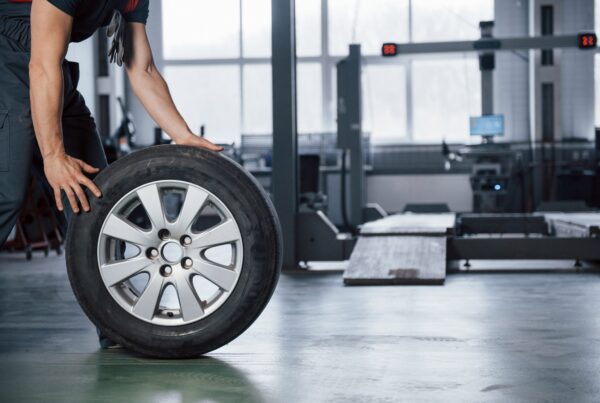
A tire rotation involves moving the tires to different positions on the vehicle to promote even wear. A wheel alignment involves adjusting the angles of the wheels so they are positioned correctly according to the vehicle manufacturer’s specifications.
Both services can be important for maintaining your tires. If your tires are wearing unevenly, a technician may recommend checking the alignment in addition to performing a rotation.
Keep Up With Regular Tire Rotations
Tire rotations are an important part of routine tire maintenance and can help promote even wear, extend tire life, and maintain proper vehicle handling. If your tires are due for a rotation or you’re noticing uneven tread wear, visit C Adam Toney Tire & Auto for professional tire service. Our technicians can inspect your tires, perform the appropriate rotation, and check for alignment or other issues that may be affecting tire wear. Get a tire quote from C Adam Toney Tire & Auto today and get more life out of your tires tomorrow.